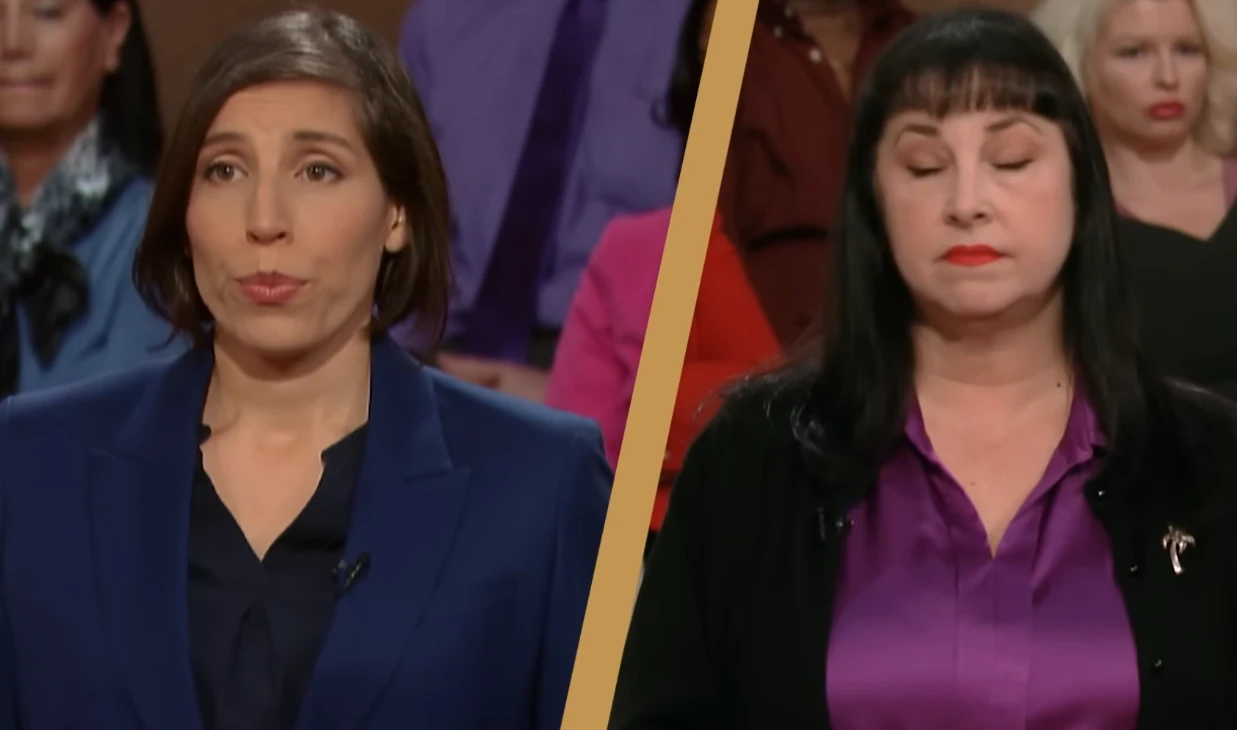
Allison Mosgrove walked into court suing her longtime friend, Phyllis Abbott, for $1,758 after a weekend visit ended with her son injured and rushed to the hospital. What began as a retreat and K-pop outing became a dispute over parenting, supervision, and blame.
The two women had known each other for thirteen years. That history made the case more uncomfortable, because this was not a fight between strangers. These were friends whose children spent a weekend together before one injury changed the tone completely.
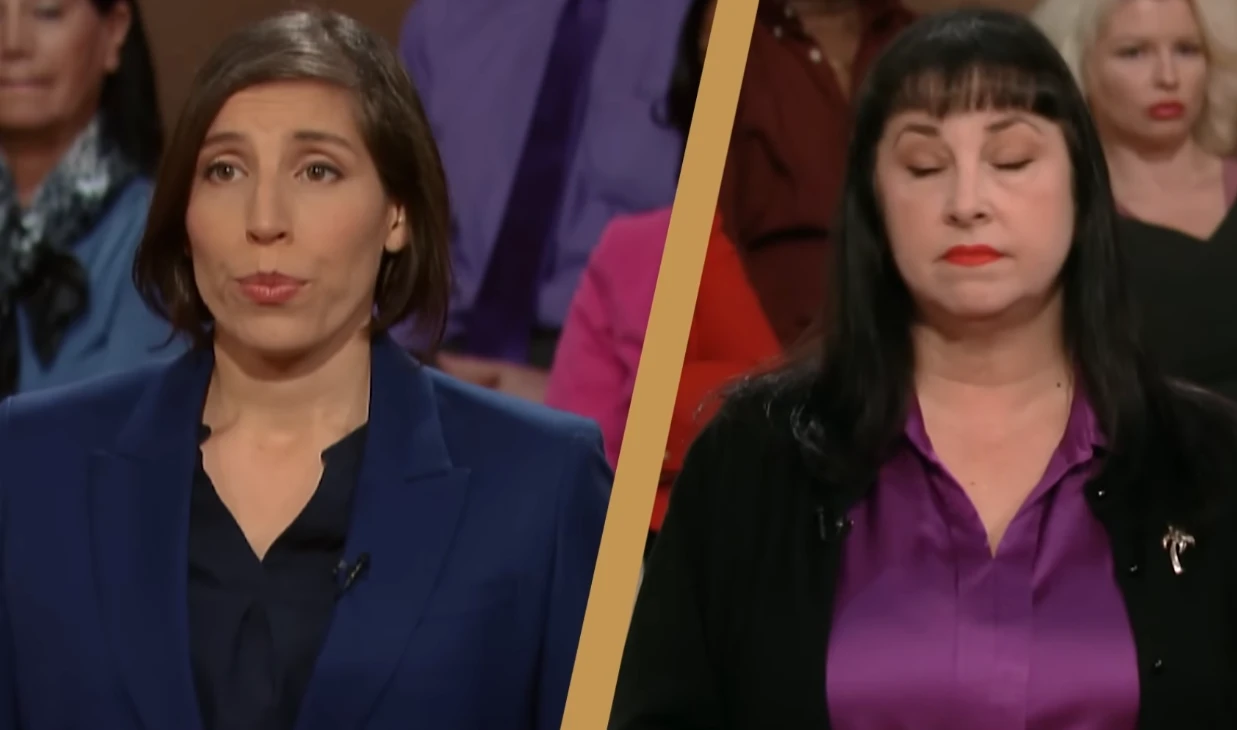
Mosgrove said the weekend started with a meditative retreat. The families then attended a K-pop event, and at first, everything seemed happy. The children appeared excited, and the adults seemed to be reconnecting after years of life changes.
But Mosgrove said she noticed troubling behavior from Abbott’s eight-year-old daughter, Sarah. She claimed Sarah had been arguing, throwing objects, screaming, and needing mediation from the babysitter. Abbott later acknowledged Sarah could be rambunctious.

Mosgrove also said Abbott told her Sarah had anger management issues and was in therapy. That detail mattered to Mosgrove because her own son, Timothy, had anxiety. She believed her son was especially vulnerable to aggressive or unpredictable behavior.
The next day, after the event, the families returned to Abbott’s home for pizza. The children played around the house. One child skinned his knee, and Abbott went to patch him up, leaving the rest of the children moving between the house, pool, porch, and yard.
Mosgrove said she later saw Sarah jumping on top of a car in the garage. She told the girl to climb down safely, but Sarah allegedly shouted back that it was none of Mosgrove’s business. Abbott admitted she generally allowed Sarah to climb on the car.
That admission raised eyebrows. Letting an eight-year-old jump on a car may not directly cause a later injury, but it suggested a looser household style. Children need freedom, but not every wild behavior should be excused as play.
The kids later moved to the pool. Mosgrove said Sarah and another child began splashing aggressively, making Timothy uncomfortable. When he tried to leave the pool, Sarah allegedly grabbed onto his back. He told her to stop, and she giggled before running inside.
That sequence mattered because Mosgrove believed it showed a pattern: Sarah pushing boundaries, Timothy becoming anxious, and adults not fully stepping in. Still, patterns are not the same as proof of negligence.
The injury happened later on the porch. Timothy sat quietly, playing with kittens, while other children used hover devices and helmets. Abbott went upstairs to use the bathroom, and Mosgrove answered a phone call from her boss.
During that call, Mosgrove said she saw, out of the corner of her eye, a swing hit the back of Timothy’s head. She dropped the phone and ran to him. Sarah then screamed and ran inside, claiming Timothy had hit her.
Later that night, Timothy began coughing and vomiting. Mosgrove took him to the hospital, where doctors diagnosed a minor contusion and recommended pain medicine. She also sought emergency mental health care and therapy sessions because of his anxiety.
Abbott argued it was an accident. She said the swing was a spinning disc, and Sarah likely swung it around without aiming. She doubted an eight-year-old could precisely target the back of another child’s head.
The judge focused on a practical problem: Abbott was upstairs when the incident happened, while Mosgrove was the adult present outside. Mosgrove may have needed to take a work call, but at that moment, she was the one closest to the children.
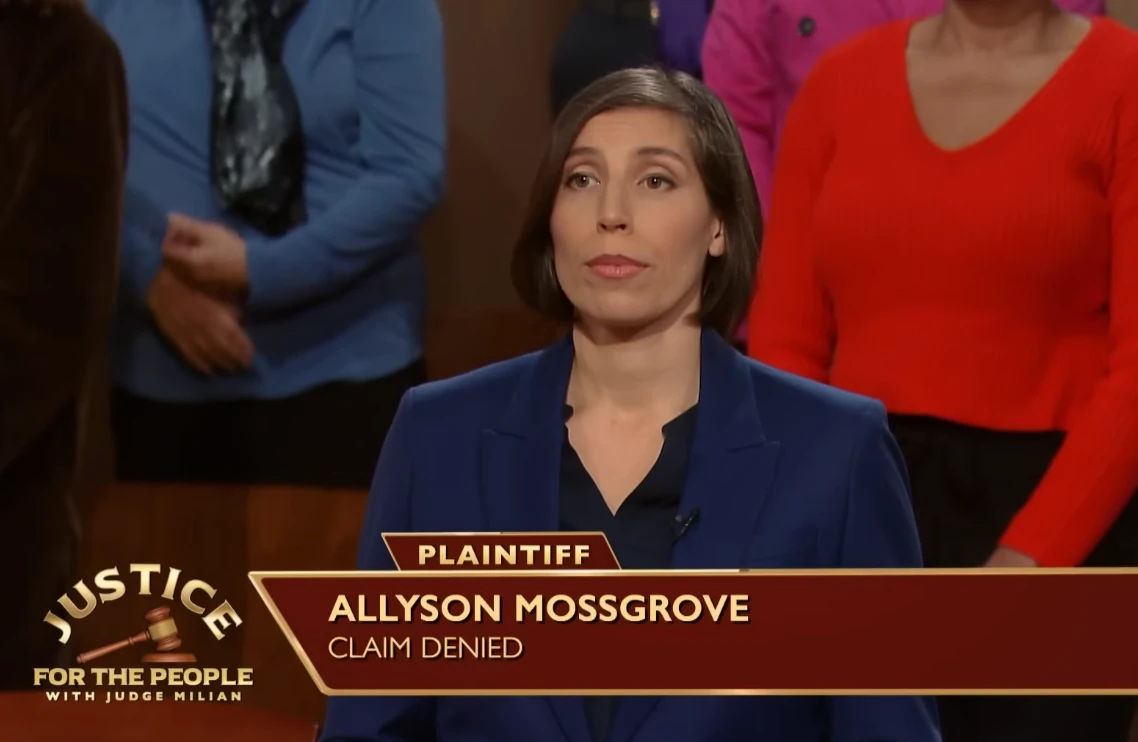
That point weakened the lawsuit. Children playing can get hurt, especially around swings, pools, hover toys, and other backyard chaos. Not every injury proves another parent was negligent.
The deeper issue was whether Mosgrove’s financial stress affected the case. Abbott said Mosgrove had asked her for a loan that weekend because she was behind on her mortgage. That did not prove dishonesty, but it added tension.
By the end, the case felt like a painful reminder that friendship and childcare do not always mix cleanly. Mosgrove wanted accountability for her son’s fear and medical bills. Abbott saw a normal accident turned into a lawsuit. The hardest truth was that a child got hurt, but hurt alone did not prove legal blame.