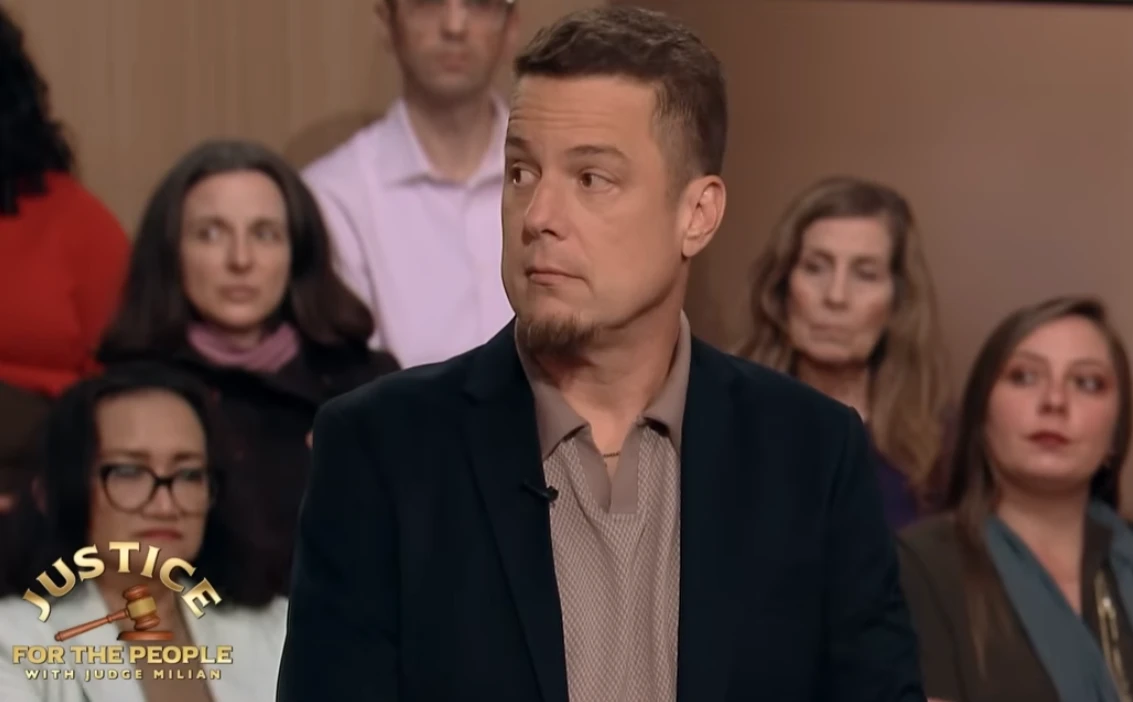
On Justice for the People with Judge Milian, a recovering alcoholic brought a negligence claim against a golf partner, alleging that a water bottle handed to him on the course contained vodka rather than water, ultimately triggering a relapse and a driving under the influence arrest that cost him thousands of dollars in legal fees.
The case centered on a single moment at the 16th hole of a golf round and the question of whether the defendant bore legal responsibility for what followed, or whether the plaintiff’s own choices after discovering the bottle’s contents broke the chain of liability.
Nathan Miller testified that he had maintained sobriety for five years prior to the incident. He described himself as an alcoholic whose condition makes it impossible to stop drinking once alcohol enters his system, a factor he argued was central to understanding the sequence of events that followed the initial sip.
Rick Sampson, the defendant, testified that he had retrieved what he believed were sealed water bottles from a storage area in his garage before the round. He stated he had no knowledge that any of the bottles contained alcohol and that he himself had already consumed one without incident before handing the second to Miller.

According to Miller’s testimony, he accepted the bottle in good faith, assuming it was water, and took a large sip due to the heat of the day. He acknowledged that once he realized the bottle contained vodka, he continued drinking it, describing the decision as consistent with the psychological pattern of alcoholic thinking.
Miller testified that after completing the round of golf, he drove directly to a liquor store approximately four blocks away to purchase additional alcohol. A law enforcement officer parked across the street observed him staggering as he exited his vehicle and placed him under arrest for driving under the influence.
The plaintiff confirmed he had no prior DUI convictions before this incident. He testified that he spent the night in jail, subsequently appeared in court, and was ordered to complete 200 hours of community service in addition to paying fines and attorney’s fees. His lawsuit sought recovery of the attorney’s fees only, totaling $6,000.
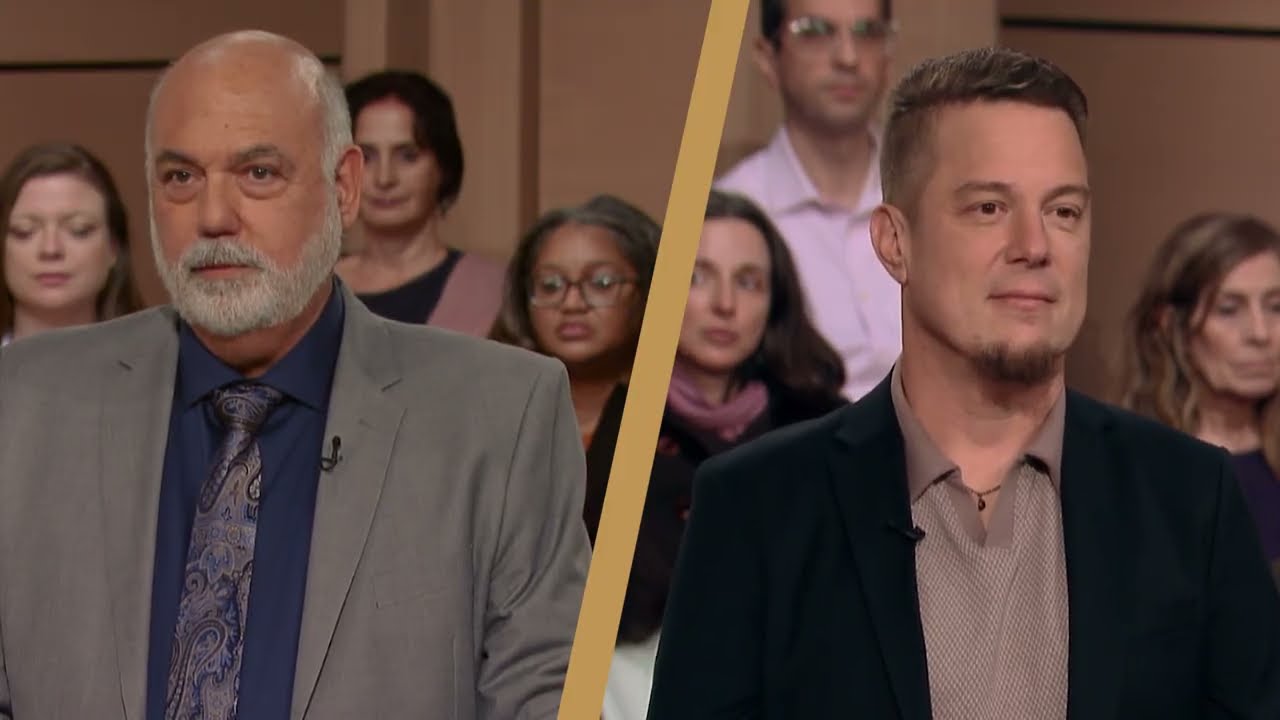
Sampson maintained throughout the proceeding that he had no reason to suspect the bottles were anything other than water. He testified that the bottles appeared to have come directly from a case of water and that he made no effort to conceal or disguise their contents. He further noted that he asked Miller what he wanted done with the bottle immediately upon learning it contained vodka.
A notable development during testimony involved the origin of the vodka-filled bottles. It emerged that Sampson’s 17-year-old son had placed vodka in the water bottles, a detail that complicated the question of the defendant’s actual knowledge and intent at the time he handed the bottle to Miller.
Judge Milian examined the sequence of events closely, focusing on a critical point in the plaintiff’s own testimony. Miller had acknowledged that he continued consuming the vodka after he was aware of its contents and then drove a vehicle in that condition to purchase more alcohol.
The judge’s line of questioning established that Miller’s decision to continue drinking after identifying the substance, and then to drive, represented independent choices that intervened between the defendant’s act of handing over the bottle and the legal consequences Miller ultimately faced.
Judge Milian ruled in favor of the defendant, dismissing Miller’s claim. The ruling reflected the court’s position that while the initial handover of the bottle may have been an innocent mistake, the plaintiff’s own conduct after discovering the contents was the proximate cause of the DUI arrest and its associated costs.
The outcome left Miller without recovery for the attorney’s fees and community service obligations stemming from the conviction. For Sampson, the dismissal closed a claim that could have resulted in significant financial liability for an act he maintained was entirely accidental.
The case raises broader questions about the legal limits of negligence in social settings where one party’s known medical or personal history intersects with another’s inadvertent conduct. Whether Miller might have pursued other legal theories or named additional parties was not addressed in the proceeding. Watch the full ruling in the video below.