The conservative movement is no stranger to controversy, but few stories have gripped the public quite like the aftermath of Charlie Kirk’s shocking assassination. When the founder of Turning Point USA was gunned down on a college campus in Utah last September, the nation watched as his widow, Erica Kirk, stepped into the spotlight. What began as a story of tragedy and resilience has morphed into something far more complex, with leaked audio from Candace Owens bringing uncomfortable questions to the forefront. The tapes, which captured private moments never meant for public ears, have ignited fierce debates about grief, power, and authenticity.
At the center of the storm are remarks made just eleven days after Charlie’s death. In a Zoom call with Turning Point staff, Erica described the funeral as “the event of the century,” highlighting attendance numbers, gospel reach, and voter registrations. She then pivoted to merch sales, noting they had climbed past 200,000 and were still rising. Her tone, upbeat and grateful to various teams, struck many listeners as oddly celebratory for such a fresh wound. The audio spread rapidly after Owens released it, prompting supporters to defend Erica’s efforts to hold the organization together and critics to argue that business metrics felt misplaced so soon after losing a husband and father.
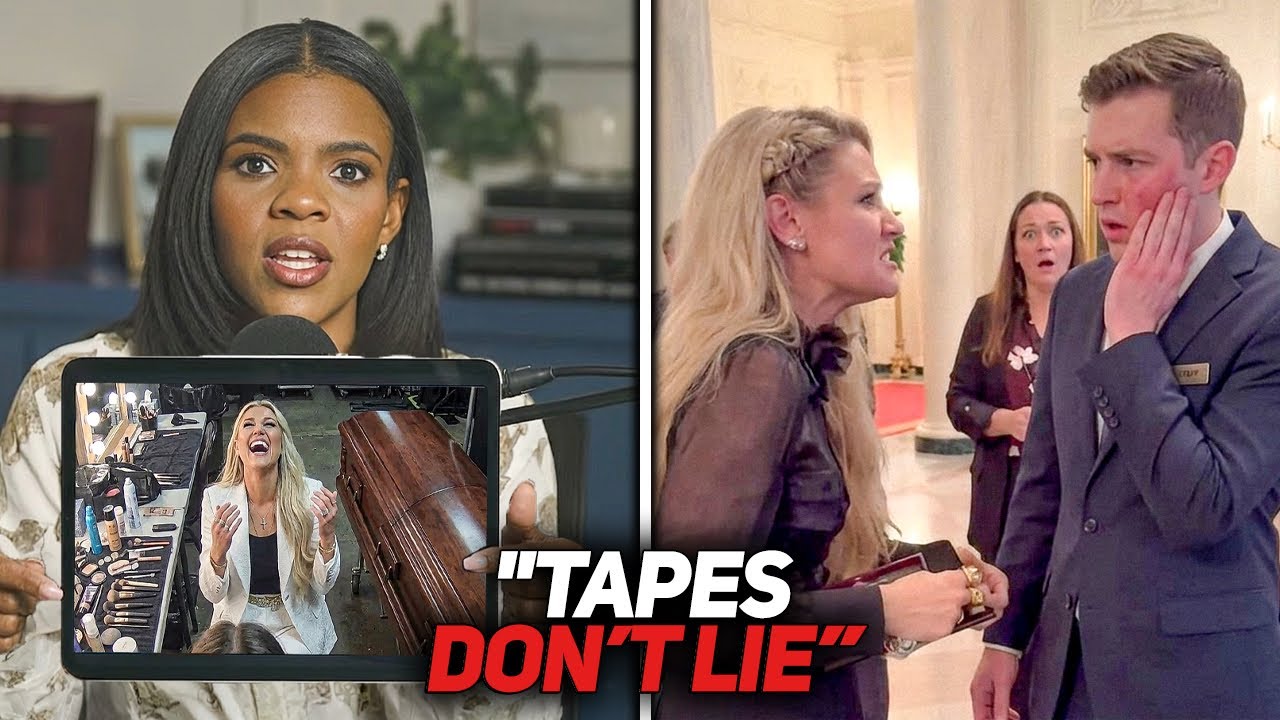
This wasn’t the only leaked call. In another, Erica addressed staff with visible emotion, acknowledging broken hearts and encouraging them to journal memories of Charlie. She vowed that Turning Point USA would grow bigger than ever, urging everyone to stay humble, work hard, and keep eyes fixed on heaven. Yet even here, the quick transition from personal grief to organizational mission raised eyebrows. She admitted nights were hardest but credited the TPUSA family with keeping her from falling apart completely. To many, it sounded like a leader rallying troops. To others, it felt like a seamless shift from mourning to management.
Erica’s wardrobe choices added fuel to the fire. Reports surfaced of a shopping purchase the day after Charlie’s assassination, with over a thousand dollars spent on black clothing. While some saw this as practical preparation for public appearances, others viewed the timing as insensitive. Her public outfits only amplified the conversation. Instead of traditional mourning attire, she appeared at events in white pantsuits, glittering gold sequins, black lace that showed skin, and even tight leather pants. The gold ensemble at AFest, complete with pyrotechnics lighting the stage, became particularly viral. Fireworks and celebrations at memorials honoring a man assassinated for his beliefs left many feeling the events resembled victory parties more than solemn tributes.
One moment that continues to circulate is the tight hug with Vice President JD Vance. Erica placed her hand on the back of his head during an emotional exchange, later explaining it as her way of offering a blessing and saying “God bless you.” She described herself as an intense hugger whose love language is touch. While she dismissed critics as people who simply needed hugs themselves, the clip’s quick removal from official channels only heightened suspicion. Some saw political positioning, especially as Erica later noted similarities between Charlie and Vance. In speeches, she emphasized that no one could replace her husband, yet highlighted those parallels in a way that felt strategic to observers.

The recreated tent at a major TPUSA event in Arizona proved another flashpoint. Organizers built a replica of the structure where Charlie was shot, allowing attendees to take photos and shop for merchandise nearby. Sources close to the event claimed it was Erica’s vision. For many, turning the site of a violent death into a photo opportunity crossed a line. Critics asked how a widow could face such a haunting reminder so publicly and repeatedly. Erica has often repeated that “everyone grieves differently,” a phrase that has become both a defense and a point of ridicule amid these scenes.
Her forgiveness of the alleged assassin, 22-year-old Tyler Robinson, came remarkably quickly. During a public appearance, Erica quoted scripture, saying she forgave him as Christ forgave, and as Charlie would have wanted. The speed and composure with which she delivered the message sent chills through parts of the audience. Combined with her insistence that people stop spreading conspiracy theories, many began questioning her level of certainty. In interviews, she claimed access to autopsy reports and case files, asserting Tyler acted alone. Yet later revelations suggested her team had no more information than the public at the time, leading to accusations of deliberate misdirection.
Tears, or the apparent lack of them, became another focal point. At the State of the Union, standing beside a visibly grieving widow, Erica dabbed her eyes repeatedly with a handkerchief, yet no visible tears fell. Similar observations emerged during her husband’s memorial and other appearances. In one interview, she described missing small things like seeing Charlie’s hot sauce in stores, her voice catching as she reached for tissues. Critics called it performative, while defenders pointed to the pressure of public mourning. A widely discussed photo from the open casket viewing showed Erica holding Charlie’s hand, the Medal of Freedom visible, her face contorted in apparent sorrow. Sources alleged she requested the moment be documented and shared.

Even her sleep became part of the narrative. In one interview shortly after the assassination, Erica stated she was sleeping well without medication or alcohol, allowing herself to feel everything deeply through faith. This contrasted with later descriptions of raw nights, creating further confusion. Her rapid ascent to CEO of Turning Point USA, daily office presence, and new appointment to the Air Force Academy Board of Visitors—where Charlie once served—have been praised as honoring his legacy by some and viewed as opportunistic by others.
The broader picture painted by these moments is one of a woman thrust into an impossible role. Charlie Kirk built Turning Point into a powerhouse of conservative youth activism. After his death, Erica inherited both the mission and the scrutiny. Supporters see a devoted widow doing what her husband would have wanted—pushing forward, expanding reach, and refusing to let tragedy derail the work. They point to her emotional appeals, faith-filled messages, and willingness to appear despite personal pain.
Critics, however, see a pattern of contradictions: celebrating scale while claiming humility, glamorous appearances amid mourning, business updates during grief, and confident assertions about the assassination that later appeared overstated. The leaked tapes have intensified these doubts, making private thoughts public and forcing difficult conversations about authenticity in the age of constant media.
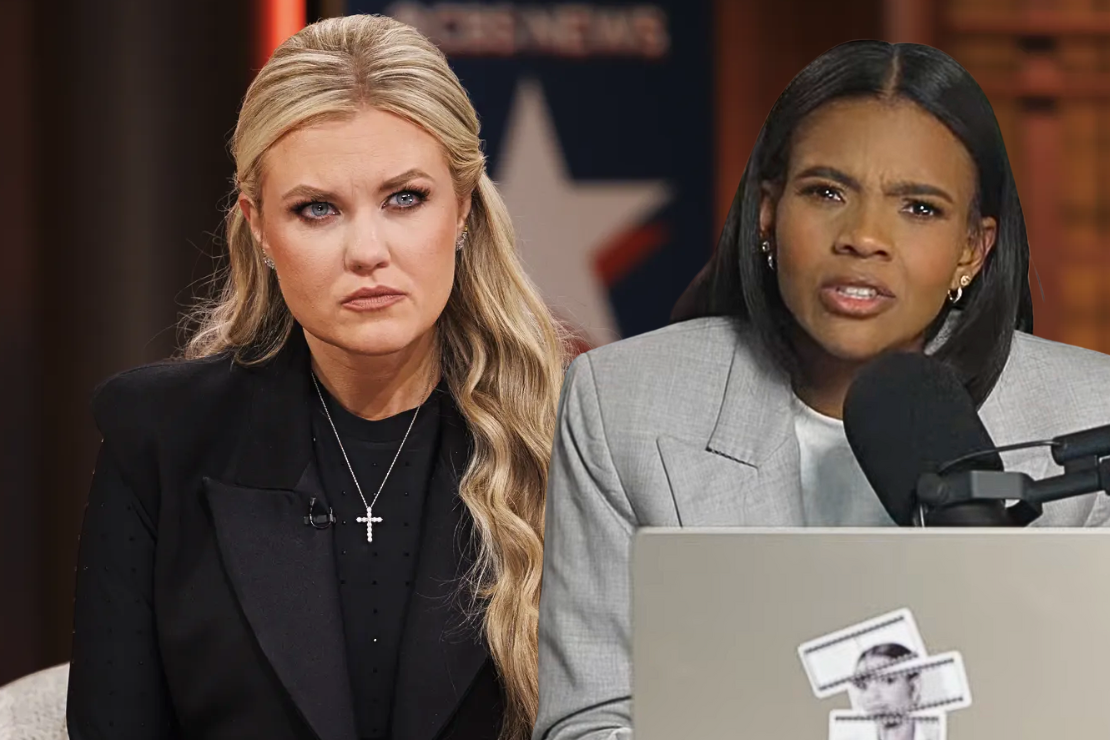
As the organization continues its work across hundreds of campuses, Erica Kirk remains a central figure. Whether her approach represents modern resilience or something more troubling continues to divide observers. The public remains fascinated by the human elements—how someone processes unimaginable loss under a microscope, how power shifts in high-stakes movements, and how grief can be both deeply personal and unavoidably political.
In the end, the leaked moments serve as a mirror. They force reflection not just on one widow’s choices, but on our expectations of mourning, leadership, and truth in a polarized media landscape. As more details emerge and reactions pour in, one thing is clear: this story is far from over. The questions raised by Candace Owens’ release will linger, challenging everyone to examine what they believe about grief, motive, and the very public life of Erica Kirk.