The unsolved murder of six-year-old JonBenét Ramsey has haunted the American public for nearly three decades. On December 26, 1996, the young beauty pageant contestant was found dead in the basement of her family’s Boulder, Colorado home, sparking one of the most infamous true crime cases in modern history. A poorly handled crime scene, a bizarre ransom note, intense media scrutiny, and years of suspicion directed at her family turned the tragedy into a national obsession. Now, a new Netflix documentary has brought renewed attention to the case, flooding Boulder police with fresh tips and hope for answers through advanced DNA technology. But alongside legitimate investigative progress, a storm of baseless online conspiracy theories has emerged, pulling an unexpected figure into the spotlight: Erika Kirk.
Erika Kirk, widow of conservative activist Charlie Kirk who was tragically assassinated in September 2025, has stepped into a prominent leadership role as CEO of Turning Point USA. In the months following her husband’s death, she has delivered emotional public appearances, honored his legacy, and focused on raising their two young children largely out of the public eye. That privacy, combined with her increased visibility, appears to have made her a target for digital speculation that has spiraled rapidly across TikTok, X, and other platforms. Internet users began posting side-by-side comparisons of Erika and JonBenét, claiming striking similarities in facial features such as a dimple on the right cheek, eye shape and color, and overall bone structure.
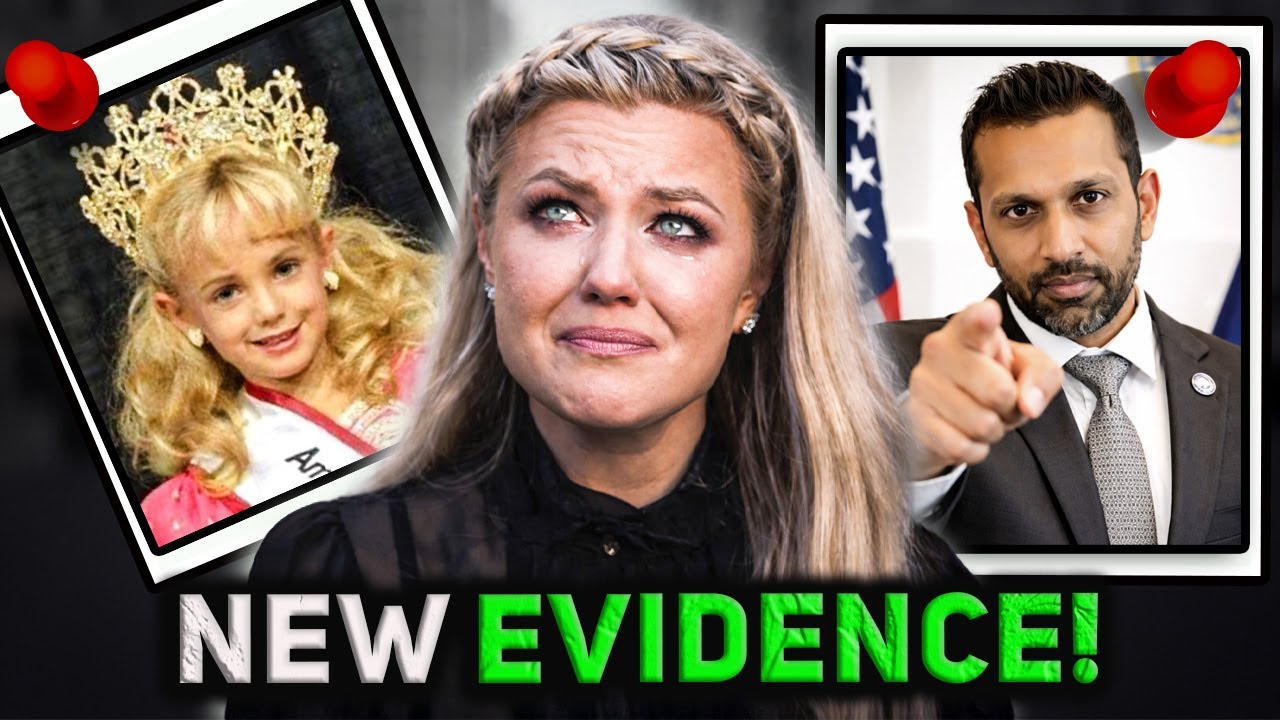
If JonBenét had survived, she would be approximately 35 years old today. Erika Kirk, born in November 1988, is 37. Theorists point to this near-age alignment, along with both women’s connections to the pageant world—JonBenét as a child contestant and Erika as Miss Arizona USA 2012—as too coincidental to ignore. Some wilder claims suggest JonBenét’s death was staged as part of a massive cover-up, with the child secretly placed with another family in Arizona and raised as Erika Frantzve, later Erika Kirk. These ideas gained traction quickly, with videos amassing millions of views and comment sections turning into virtual investigation boards complete with arrows, zooms, and slow-motion analysis.
This speculation is not supported by any credible evidence. JonBenét’s father, John Ramsey, has publicly addressed and dismissed these theories involving Erika Kirk and even other celebrities as “nonsense.” Official records, including autopsy findings of skull fracture and strangulation, confirm the child’s death. DNA evidence from the scene pointed to an unidentified male intruder, eventually helping to exonerate the Ramsey family years later. Boulder police continue treating the case as an active homicide investigation, recently digitizing massive case files and collaborating with external forensic experts. John Ramsey has met with investigators multiple times, pushing for the latest genetic genealogy techniques that solved other cold cases.
The timing of the Netflix documentary “Cold Case: Who Killed JonBenét Ramsey,” released in late 2024, coincided with heightened online activity. The series examines police missteps, media frenzy, and the long quest for justice. It prompted over a hundred new tips to authorities, demonstrating how public interest can still drive potential leads. Yet, in the echo chambers of social media, factual reporting often takes a backseat to sensational narratives. Some threads even attempted to link the Ramsey family’s past legal representation to Ghislaine Maxwell years later, framing it as suspicious rather than commonplace in high-profile cases.

Erika Kirk’s life has been thrust under a microscope at the worst possible time. After losing her husband in a shocking shooting at Utah Valley University, she assumed leadership of a major conservative organization while navigating grief and single parenthood. She and Charlie welcomed a daughter in 2022 and a son in 2024, and Erika has kept the children’s faces and identities private—a decision many respect as protective parenting but which conspiracy voices twist into further suspicion. Her background, including growing up in Arizona after her parents’ divorce, earning degrees from Arizona State and Liberty University, and building her own ventures, is now being dissected for any perceived overlap with the Ramsey story.
Nancy Grace, who covered the original case extensively, has addressed the swirling rumors without fully endorsing or dismissing every angle, which only fueled more discussion. True crime enthusiasts with years of experience in following the Ramsey investigation have pushed back hard, reminding audiences that a body was recovered, examined, and laid to rest. The collision between documented evidence and viral speculation creates an emotional whiplash for everyone involved. Families who have already endured unimaginable loss now face renewed public intrusion.
The broader context matters. Charlie Kirk’s death itself generated conspiracy discussions, with some questioning motives tied to his increasingly outspoken views on various issues. Insurance policies, organizational transitions, and political angles were speculated upon without evidence. Erika’s decision to maintain strong boundaries around her children is understandable in this environment. In an age where algorithms reward engagement, even the most outlandish theories can spread faster than facts can be corrected.

Boulder police have reaffirmed their commitment to the case. With over 21,000 tips, thousands of interviews, and extensive physical evidence reviewed using modern tools, there is genuine hope that justice could still be served for JonBenét. Technology that once seemed like science fiction, such as advanced genetic analysis, has cracked other decades-old cases. Investigators emphasize the importance of focusing on verified leads rather than distraction.
For Erika Kirk, the situation represents an unwelcome additional burden. She continues advancing the mission of Turning Point USA, delivering speeches, and honoring her late husband’s work. Those who know her describe a resilient woman focused on faith, family, and conservative principles. The pageant background that theorists highlight was simply part of her early adult life—a common path for many ambitious young women.
This episode reveals darker sides of internet culture. True crime has become entertainment for millions, but when speculation crosses into harming living people still processing trauma, it raises serious ethical questions. JonBenét’s case deserves serious attention and proper investigation, not transformation into fan fiction that reassigns identities and ignores forensic reality. The Ramsey family has suffered enough public speculation over nearly 30 years. Adding another layer of unfounded claims does not help uncover truth.
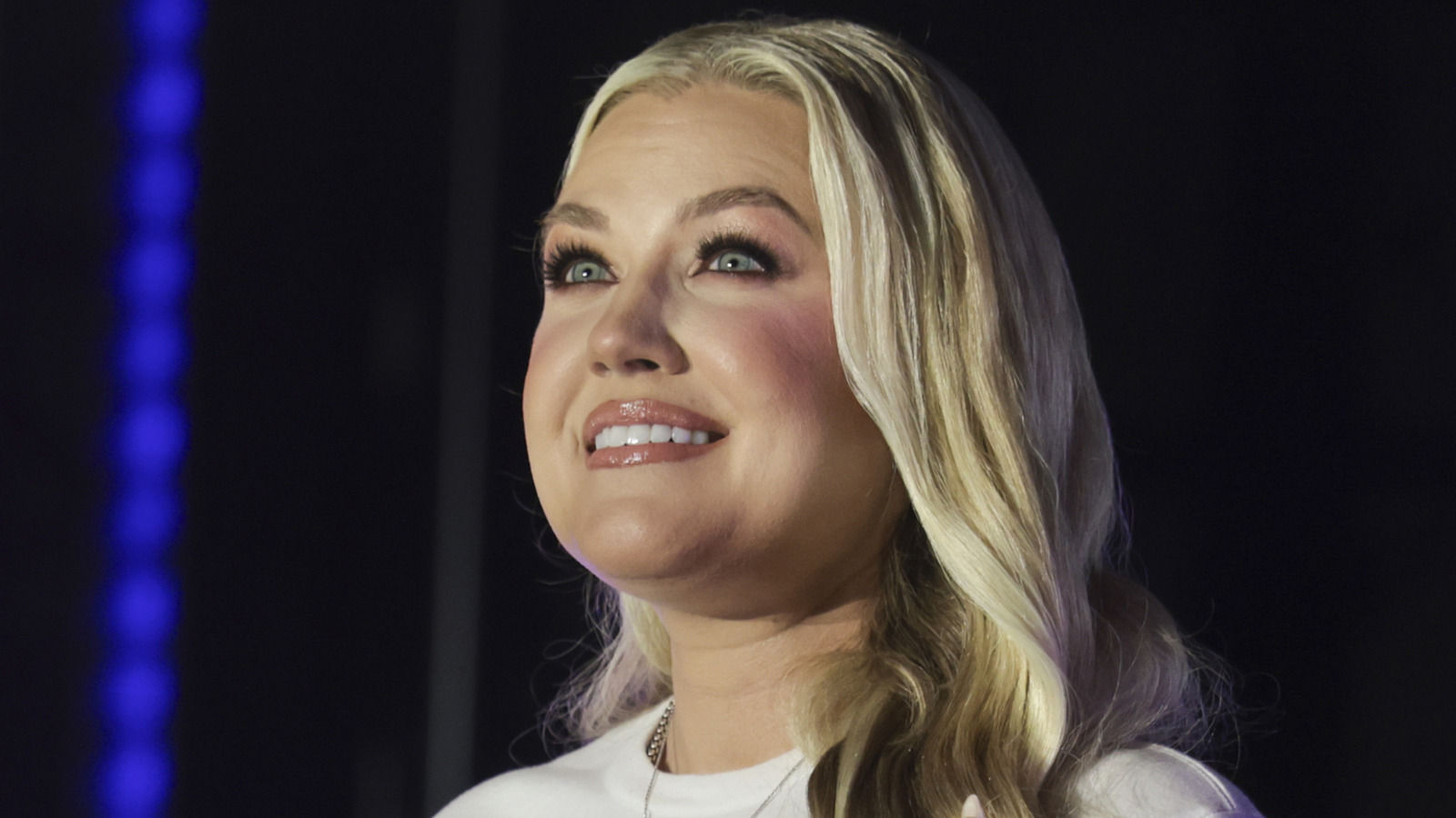
As the official investigation moves forward with new technology and renewed tips, the public would do well to separate genuine curiosity from harmful fantasy. Coincidences in appearance or timeline happen in a world of billions. Facial recognition software and expert analysis do not support the viral comparisons being made. Erika Kirk is a real person with her own documented history, not a resurrected child from a national tragedy.
The JonBenét Ramsey story continues to captivate because it touches on universal fears— the vulnerability of children, failures of institutions, and the search for justice. Proper remembrance honors the victim through facts, empathy, and support for law enforcement efforts. Wild conspiracies that drag uninvolved grieving families into the narrative ultimately distract from that goal.
Erika Kirk remains focused on her responsibilities amid personal loss and public noise. The internet may keep comparing and debating, but reality rests with verified evidence, official records, and the ongoing police work in Boulder. For those drawn to the case, the most constructive path is following credible updates rather than unproven TikTok threads. Justice for JonBenét, if it comes, will arrive through science and persistence, not social media sleuthing that reinvents tragic history.
In the end, this wave of speculation says as much about our current digital age as it does about any individual case. The speed at which theories spread and the emotional investment they generate show both the power and peril of unlimited information. As Erika navigates her new reality and the Ramsey investigation presses on, one hopes compassion and facts prevail over sensationalism. The queens and families affected deserve peace, not perpetual performance in the court of public opinion.