.webp)
Hook:
For decades, it was a ghost story whispered in Canadian hangars. Now, that ghost has a pulse again.
And Washington is watching—closely.
In 1959, the Avro Arrow didn’t just get canceled — it was erased. Prototypes destroyed. Engineers scattered. A generation of ambition grounded overnight. For many Canadians, the supersonic jet became more than a machine; it became a symbol of what might have been — a bold leap toward technological independence that ended in political retreat.
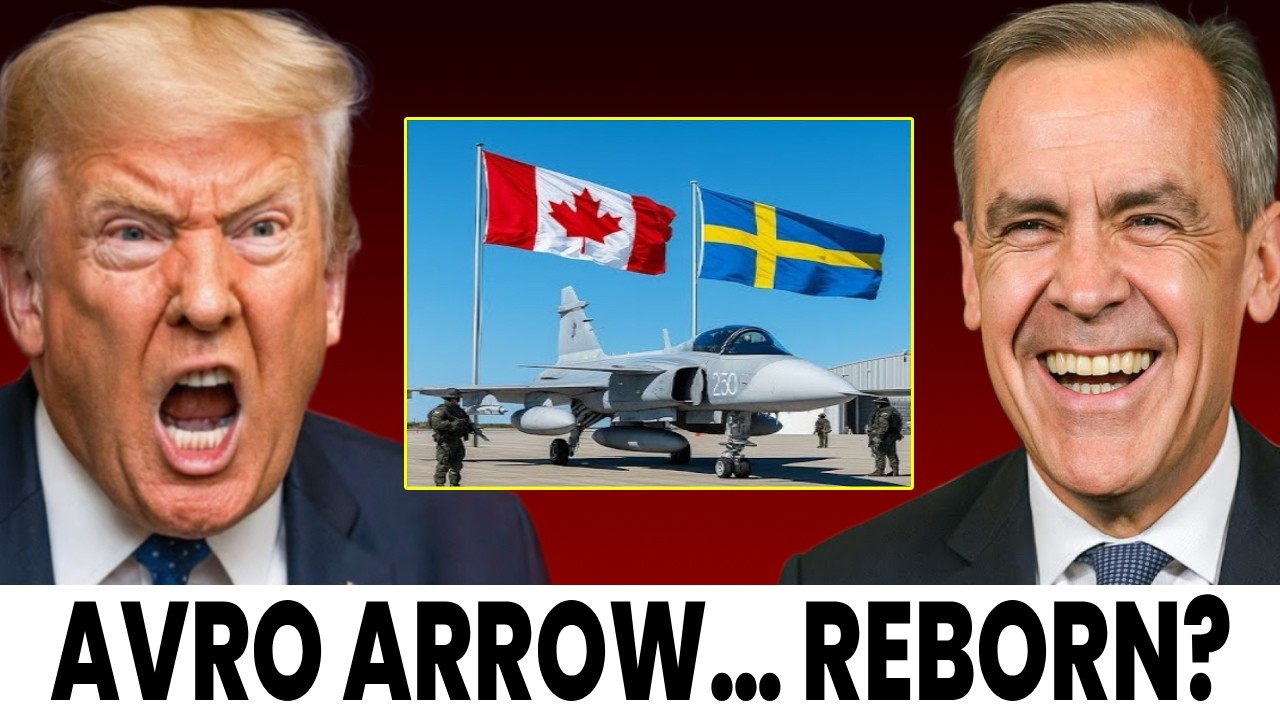
Now, more than six decades later, that memory is stirring again — not as nostalgia, but as strategy.
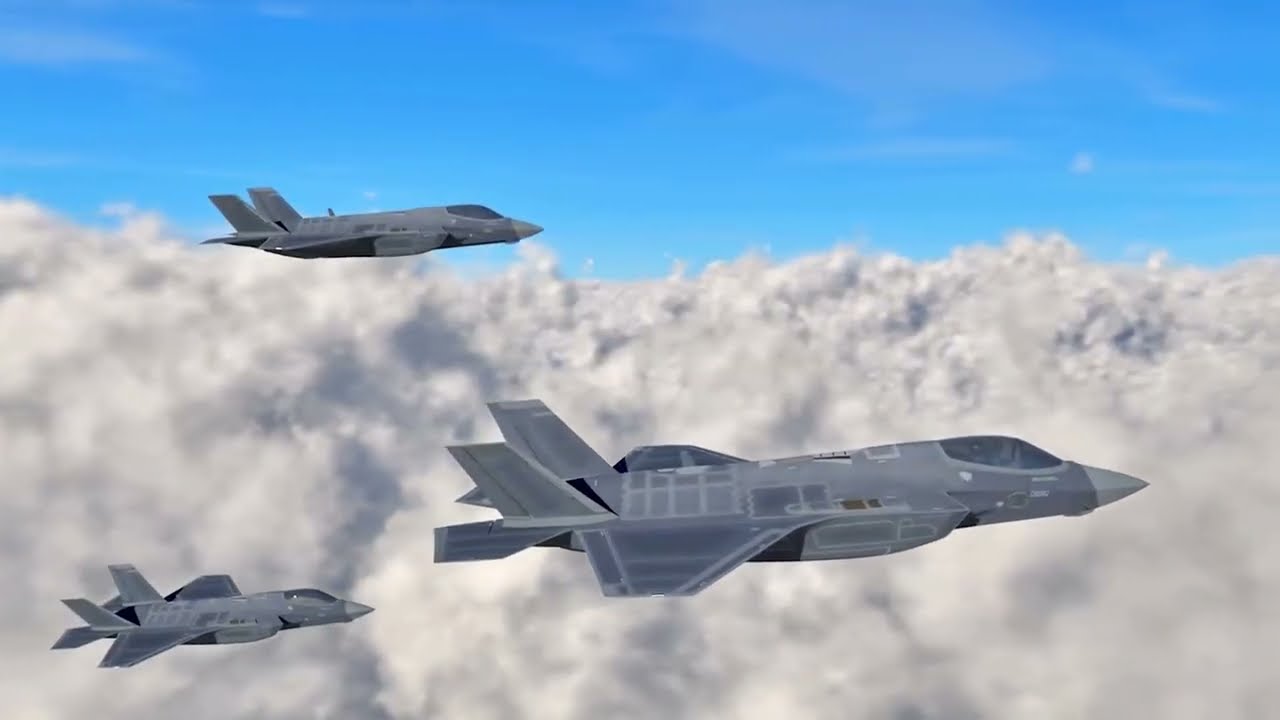
Ottawa has quietly reignited debate over its long-running fighter jet decision, and the shockwaves are being felt far beyond Canadian borders. While no official reversal has been declared, renewed attention to Sweden’s Saab Gripen fighter has unsettled long-held assumptions in Washington and among NATO insiders who believed Canada’s alignment with U.S.-made platforms was all but guaranteed.
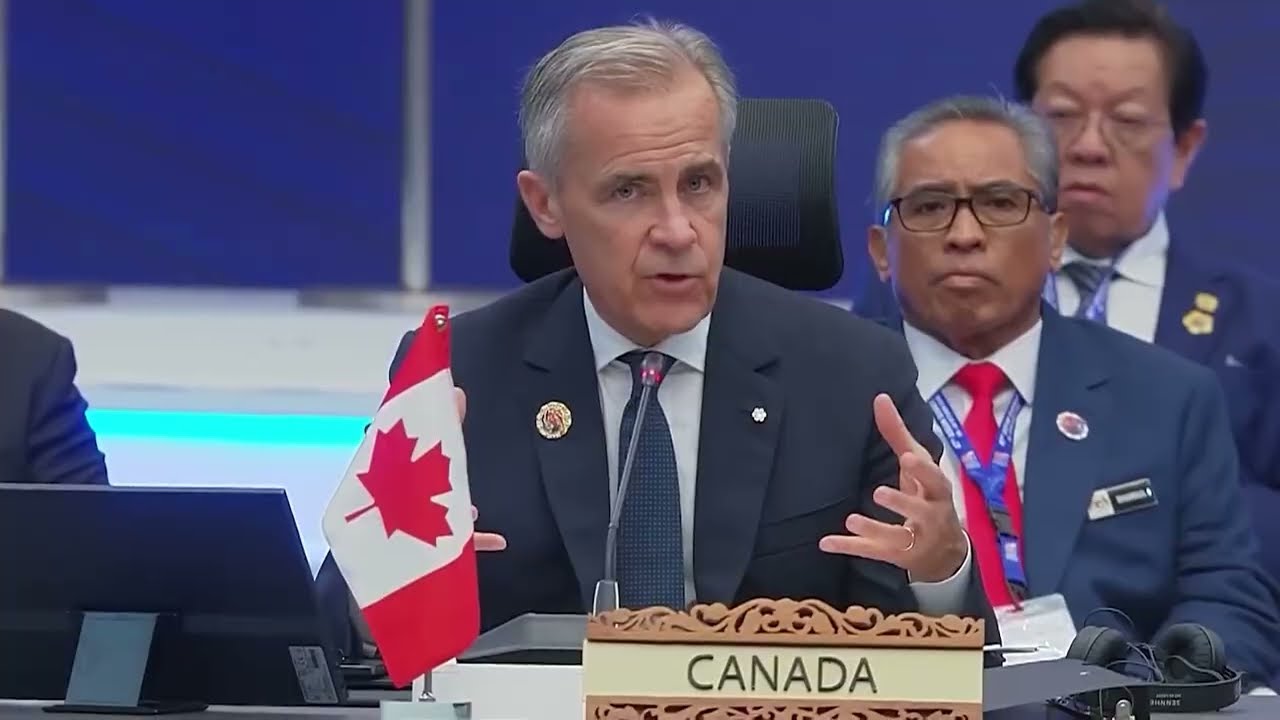
Under Prime Minister Mark Carney’s leadership, defense procurement is no longer framed as just a military checkbox. It’s economic policy. It’s industrial strategy. It’s sovereignty.
The Gripen enters that conversation with a compelling pitch: extensive technology transfer, domestic assembly options, and a rare degree of software sovereignty — meaning operators can modify and maintain systems without seeking foreign approval. For a country increasingly focused on economic resilience and supply chain security, that flexibility carries weight.
Supporters argue this isn’t just about buying jets. It’s about keeping expertise at home. Protecting Canadian decision-making. Reducing exposure to external political leverage.
Critics urge caution. The Avro Arrow, they remind us, collapsed under rising costs and shifting strategic realities. Modern air combat isn’t a solo endeavor — it’s deeply networked. Interoperability, shared data systems, and integrated logistics tie NATO’s air forces together. Deviating from U.S.-centric systems could introduce friction in joint operations.
Yet timing matters. Canada’s Arctic responsibilities are expanding rapidly. Long distances, extreme weather, and dispersed basing needs create requirements that don’t perfectly mirror those of other NATO allies. Gripen advocates point to the aircraft’s design philosophy — rapid turnaround, flexible basing, operational adaptability — as well-suited to northern conditions.
Washington’s response has been restrained but unmistakably attentive. Publicly, U.S. officials emphasize alliance cohesion and national sovereignty in procurement decisions. Privately, defense analysts acknowledge the broader implications.
The real question isn’t one jet versus another.
It’s precedent.
If Canada asserts greater control over its defense industrial base — even incrementally — it signals a subtle recalibration within the alliance. The United States remains NATO’s industrial anchor. Participation in its platforms brings access, integration, and influence. But it also brings constraints.

Canada’s willingness to explore alternatives suggests a desire to rebalance that equation — not to sever ties, but to expand leverage.
Online reaction has been swift and emotionally charged. Some see a revival of national pride — a second chance to reclaim technological agency lost in 1959. Others warn against romanticizing history, arguing that symbolism must not override operational reality.
Industry stakeholders are watching just as closely. A procurement model emphasizing domestic assembly and long-term maintenance could sustain high-skilled jobs and anchor aerospace expertise for decades. But it would also require upfront investment and meticulous coordination to avoid delays and cost overruns.
Even without a final decision, the debate itself marks a turning point.
For years, Canada’s fighter replacement was treated as an inevitability — a technical choice aligned neatly with alliance norms. Now it is openly discussed as a strategic lever with economic, political, and geopolitical consequences.
The ghost of the Arrow isn’t about resurrecting a canceled aircraft.
It’s about revisiting a fundamental question:
How does a middle power strengthen alliances without surrendering agency?
The balance of power rarely flips overnight. But it can tilt — quietly.
And in defense politics, quiet shifts often prove the most consequential.
The coming months will bring clarity as reviews conclude and policy hardens. Until then, one thing is certain:
The conversation has changed.
From assumption to deliberation.
From alignment to autonomy.